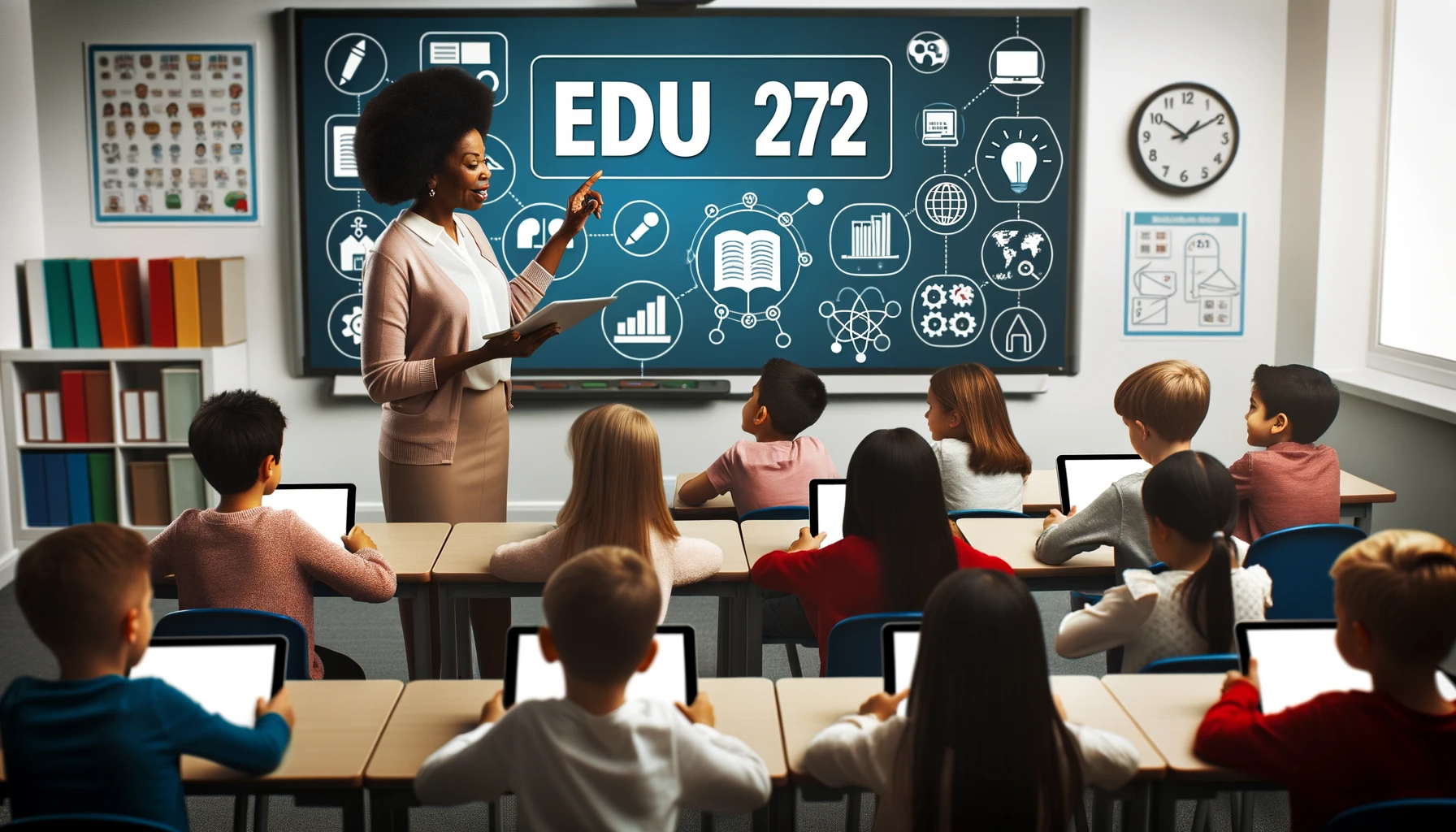
This course is designed to provide learners with the knowledge and skills to utilize digital instructional technologies, student information system software, learning management systems, and technology-based assessments to plan and implement appropriate educational experiences and interventions in the classroom.
Topics include educational technology to enhance culturally responsive instruction, technology-based assessment, assistive technologies, record keeping, artifact documentation, digitally recording and tracking formative and summative assessments, using relevant data to inform practice, and ethical practices for technology and assessment.
- Teacher: Amy Fraboni
(updated February 2025) This course is an overview of the basics of local government finance in North Carolina from a very practical perspective. It is not a “debit and credit” accounting course nor does it assume you have a formal accounting education or background. Rather, this course will introduce you to the basic job functions that are typically housed in the Finance Department, with more attention given to those that are found in smaller governments. This course also will tie those functions back to the requirements for all local governments found in the NC General Statutes, primarily the Local Government Budget and Fiscal Control Act (G.S. 159 Article 3).